The story 𝐓𝐡𝐞𝐲 𝐠𝐨𝐭 𝐬𝐡𝐨𝐭 𝐝𝐨𝐰𝐧. 𝐓𝐡𝐞𝐲 𝐞𝐯𝐚𝐝𝐞𝐝 𝐜𝐚𝐩𝐭𝐮𝐫𝐞 𝐟𝐨𝐫 𝐚 𝐝𝐚𝐲 𝐰𝐢𝐭𝐡 𝐚 𝐛𝐨𝐮𝐧𝐭𝐲 𝐨𝐧 𝐭𝐡𝐞𝐢𝐫 𝐡𝐞𝐚𝐝. 𝐓𝐡𝐞 𝐂𝐈𝐀 𝐫𝐚𝐧 𝐚 𝐝𝐞𝐜𝐞𝐩𝐭𝐢𝐨𝐧 𝐨𝐩𝐞𝐫𝐚𝐭𝐢𝐨𝐧 𝐢𝐧𝐬𝐢𝐝𝐞 𝐚 𝐡𝐨𝐬𝐭𝐢𝐥𝐞 𝐜𝐨𝐮𝐧𝐭𝐫𝐲. 𝐒𝐩𝐞𝐜𝐢𝐚𝐥 𝐨𝐩𝐞𝐫𝐚𝐭𝐨𝐫𝐬 𝐟𝐨𝐮𝐠𝐡𝐭 𝐭𝐡𝐞𝐢𝐫 𝐰𝐚𝐲 𝐢𝐧 𝐚𝐧𝐝 𝐟𝐨𝐮𝐠𝐡𝐭 𝐭𝐡𝐞𝐢𝐫 𝐰𝐚𝐲 𝐨𝐮𝐭. 𝐓𝐡𝐞𝐲 𝐛𝐥𝐞𝐰 𝐮𝐩 𝐭𝐡𝐞𝐢𝐫 𝐨𝐰𝐧 𝐩𝐥𝐚𝐧𝐞𝐬 𝐫𝐚𝐭𝐡𝐞𝐫 𝐭𝐡𝐚𝐧 𝐥𝐞𝐚𝐯𝐞 𝐭𝐡𝐞𝐦. 𝐀𝐧𝐝 𝐭𝐡𝐞𝐲 𝐛𝐫𝐨𝐮𝐠𝐡𝐭 𝐞𝐯𝐞𝐫𝐲𝐨𝐧𝐞 𝐡𝐨𝐦𝐞.
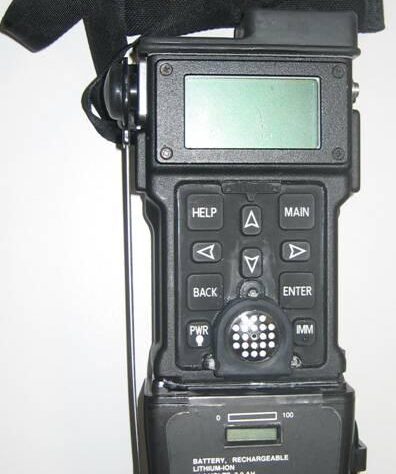
The tech: When the U.S. F-15E crew ejected over Iran, they weren’t cut off, they simply switched to a device called CSEL. Built by Boeing, it’s a small, rugged unit attached to the pilot’s vest that survives ejection and immediately starts working. Instead of talking over radio, it sends short encrypted bursts: location, status, and messages like “injured” or “enemy nearby” using frequency-hopping signals that look like background noise to enemy systems. That’s the key: no voice, no easy signal to track, no triangulation. It links to military satellites, feeding real-time data to rescue teams while letting the pilot stay silent and hidden. Only when extraction is close does it switch modes, allowing helicopters or aircraft to lock onto the exact position. In other words, even behind enemy lines, the pilot isn’t alone; they’re digitally tethered to the entire rescue network without giving away their position.
𝐍𝐎𝐖 𝐓𝐇𝐀𝐓 𝐓𝐇𝐄 𝐂𝐑𝐄𝐖 𝐈𝐒 𝐑𝐄𝐒𝐂𝐔𝐄𝐃 — 𝐖𝐇𝐀𝐓 𝐀𝐂𝐓𝐔𝐀𝐋𝐋𝐘 𝐇𝐀𝐏𝐏𝐄𝐍𝐄𝐃 𝐎𝐕𝐄𝐑 𝐈𝐑𝐀𝐍
— M.A. Rothman (@MichaelARothman) April 5, 2026
Both crew members of the downed F-15E Strike Eagle are safe. President Trump posted “𝘞𝘦 𝘨𝘰𝘵 𝘩𝘪𝘮” on Truth Social Saturday night. The WSO — a Colonel —… pic.twitter.com/JykFsykzDo
The CSEL (Combat Survivor Evader Locator) is the device that kept the U.S. F-15E crew connected and hidden after their jet was shot down over southwestern Iran on April 3, 2026. One crew member (the pilot) was rescued within hours by U.S. forces. The weapons systems officer/navigator evaded capture for about 48 hours in hostile territory before being extracted early on April 5—thanks largely to this rugged little Boeing-built unit.
How the CSEL Works in a Real Downed-Pilot Scenario
It’s a compact (about 800g / 1.8 lb), handheld survival radio/GPS combo that’s pre-integrated into the pilot’s survival vest (right near the chest or waist). It’s built to survive ejection forces, water immersion up to 10 meters, and extreme conditions. Right after ejection, it powers up automatically and starts working—no fumbling required, even with gloves on in the dark.
Instead of risky voice transmissions (which enemies can easily direction-find and triangulate), it sends ultra-short encrypted data bursts:
- Precise GPS location (military-grade Precise Positioning Service with anti-spoofing).
- Pre-programmed status messages like “injured,” “enemy nearby,” “can move,” or “ready for extraction.”
- These bursts use rapid frequency-hopping spread spectrum (LPE – Low Probability of Exploitation)—the signal jumps frequencies so fast it looks like random background noise to enemy electronic warfare systems (including advanced Chinese/Russian gear).
It links via military UHF satellites to four global U.S. rescue coordination centers. The centers instantly authenticate the device to the specific pilot (including medical history) and feed real-time data to the entire Combat Search and Rescue (CSAR) network—without the pilot ever speaking. Rescue teams can even interrogate the radio remotely to pull location/status if the pilot is unconscious or unable to operate it.
Pre-mission magic: Before takeoff, the CSEL syncs with the jet’s navigation system. It loads topographic maps, friendly safe zones, and intel—so even deep in enemy territory, the pilot has an autonomous GPS “evasion buddy” with suggested hide spots and routes.
Only when friendly helicopters or aircraft are close does it switch to a terminal-area mode for precise final lock-on (visible in cockpits). Battery life? Up to 21 days in standby.
(These are real photos of the CSEL unit—rugged black handheld with keypad, screen, antenna, and controls designed for gloved hands under stress.)
Other Cool Things That Help Downed Pilots Stay Hidden & Connected
The CSEL isn’t the only trick in the kit—U.S. aircrew train for years in SERE (Survival, Evasion, Resistance, Escape) school and carry a full survival vest + parachute-deployed kit. Here are standout elements:
- Silent signaling suite: IR (infrared) strobe visible only to night-vision-equipped rescuers, signaling mirror, and smoke/pen flares. These let pilots “talk” to overhead aircraft without giving audible or RF clues to ground forces.
- Blood chit: A small cloth with U.S. flag and text in local languages promising a reward to anyone who helps return the airman safely. It’s essentially a “get-out-of-jail-free” card for civilians in contested areas.
- Personal sidearm + evasion mindset: A handgun for self-defense (not Rambo-style fighting), plus training to move at night, use natural camouflage, avoid population centers, and “hide in plain sight” by blending into terrain (like the mountain crevice the navigator reportedly used).
- Parachute survival pack: Deploys automatically on ejection with water, food, medical supplies, basic tools, and sometimes a secondary radio/GPS.
- CSAR team firepower: Elite Pararescue Jumpers (PJs), HH-60 Pave Hawk helicopters, and overhead fixed-wing support. In this Iran op, they operated deep in contested airspace with real-time CSEL data feeding the whole network.
Fun historical note: CSEL was fast-tracked after Capt. Scott O’Grady’s 1995 Bosnia ejection—his older radio + separate GPS worked, but the gaps inspired this integrated, global, low-signature system. Over 55,000 units have been delivered across U.S. services, and it’s been upgraded with text-messaging to overhead aircraft and better blue-force tracking to avoid friendly-fire incidents.
In short, the F-15E crew wasn’t just “lucky”—they were digitally leashed to a worldwide rescue network the entire time, all while staying electronically invisible. The CSEL turned a potential capture into a successful 48-hour evasion and extraction. It’s a perfect example of how modern U.S. personnel recovery tech (and the training that goes with it) keeps “no one left behind” a reality even behind enemy lines.
